Oct 18, 2026Fabric & Materials
Cotton vs Polyester vs Blends: Choosing T-Shirt Fabric
Combed cotton, polyester, CVC and triblends - how each behaves on the body and in the wash, and how to pick for your market and print method.
The fabric decides how a tee feels on day one - and who complains after the tenth wash. The three families below cover most of the market, and each one fails in its own way. Here is the honest version, from a factory that sews all three.
Cotton: the default for a reason
Combed cotton reads premium: soft hand, breathable, and it takes screen print cleanly. The fibres are combed to lay flat before spinning, which is why it feels smoother and less hairy than carded cotton - and why it costs more.
Two things to know before you commit. Cotton shrinks unless it is pre-shrunk, so a few percent of length and width will move on the first wash; budget for it in the spec rather than discovering it in the fitting room. And cotton holds moisture, which is fine for daily wear and wrong for heavy training.
Our women's basic tee is 100% combed cotton in a relaxed drop-shoulder cut. It is the version customers describe as 'feels expensive' without being able to say why - that is the combed yarn doing its work.
Polyester: performance and shape
Polyester wicks moisture, dries fast, and keeps its shape through dozens of washes - which is why activewear lives here. The trade-off is hand feel: untreated polyester reads synthetic against the skin, and the cheaper the yarn, the more obvious it is.
Print method matters too. Sublimation works beautifully on polyester because the ink bonds into the fibre; standard plastisol sits on top and feels heavier. For training wear, polyester usually wins on merit, not on price.
Blends: the middle ground
CVC (cotton-poly with the cotton forward) and triblends trade away a little of each family's weakness: softer than pure polyester, more stable than pure cotton, with the heathered look triblends are loved for. They cost more per kilo than either pure option, which is the real reason not every tee is a triblend - and why a suspiciously cheap 'triblend' is usually neither.
Weight matters as much as fibre
The same cotton at 160gsm and at 240gsm are different products. Under 180gsm you are in hot-weather and promotional territory - cheap to ship, but a tee this light can go see-through in bright sun. The 180-220gsm band is the all-rounder for most retail programs. Above 220gsm you get the heavyweights: structured drape, shape that survives the wash, the dense hand feel buyers read as premium.
Ask for the weight in writing, then check it. Any honest factory will put a cut panel on a scale in front of you.
How to decide
Three questions settle most of it. Where is it worn - office-casual leans cotton, training leans polyester. How is it decorated - screen print loves cotton, sublimation needs polyester. And what price point - blends and heavy weights push retail up, and the fabric bill follows.
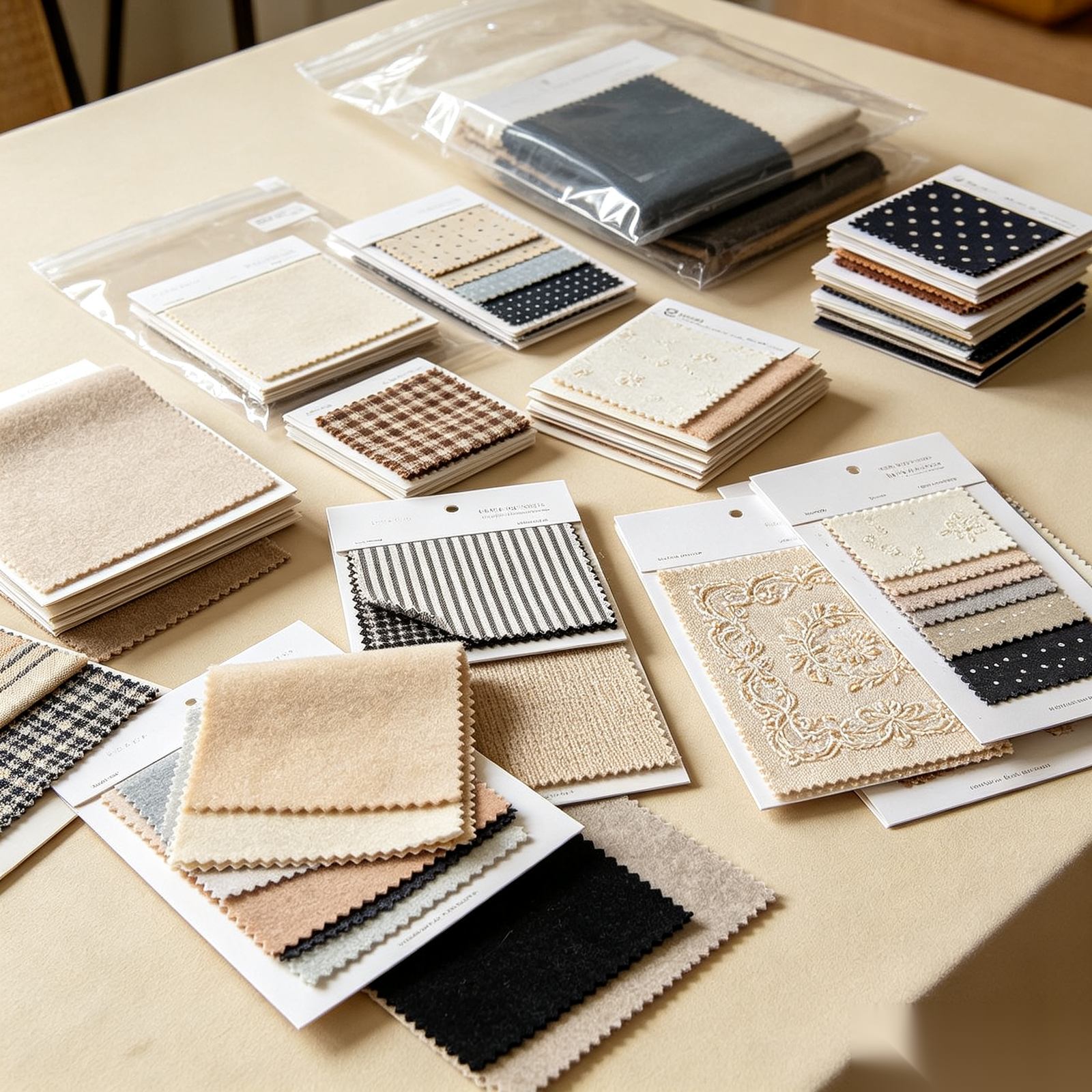
Then skip the guesswork: request swatches, weigh the gsm, wash each swatch twice, and decide with your hands instead of a spec sheet. Our fabric sourcing service exists for exactly this step - samples in 3-7 days, low MOQ on the first run.
Tell us the market and the print plan - email XinChengDa Garments at info@xcdgarments.com or message us on WhatsApp - and we will put three swatch candidates in your hands before you commit.