Oct 18, 2026Manufacturing Process
Denim Washing Techniques: Rinse, Stone, Enzyme and Beyond
Raw denim leaves the line stiff and dark. Rinse, stone, enzyme and modern finishes create the look - and each has trade-offs buyers should know.
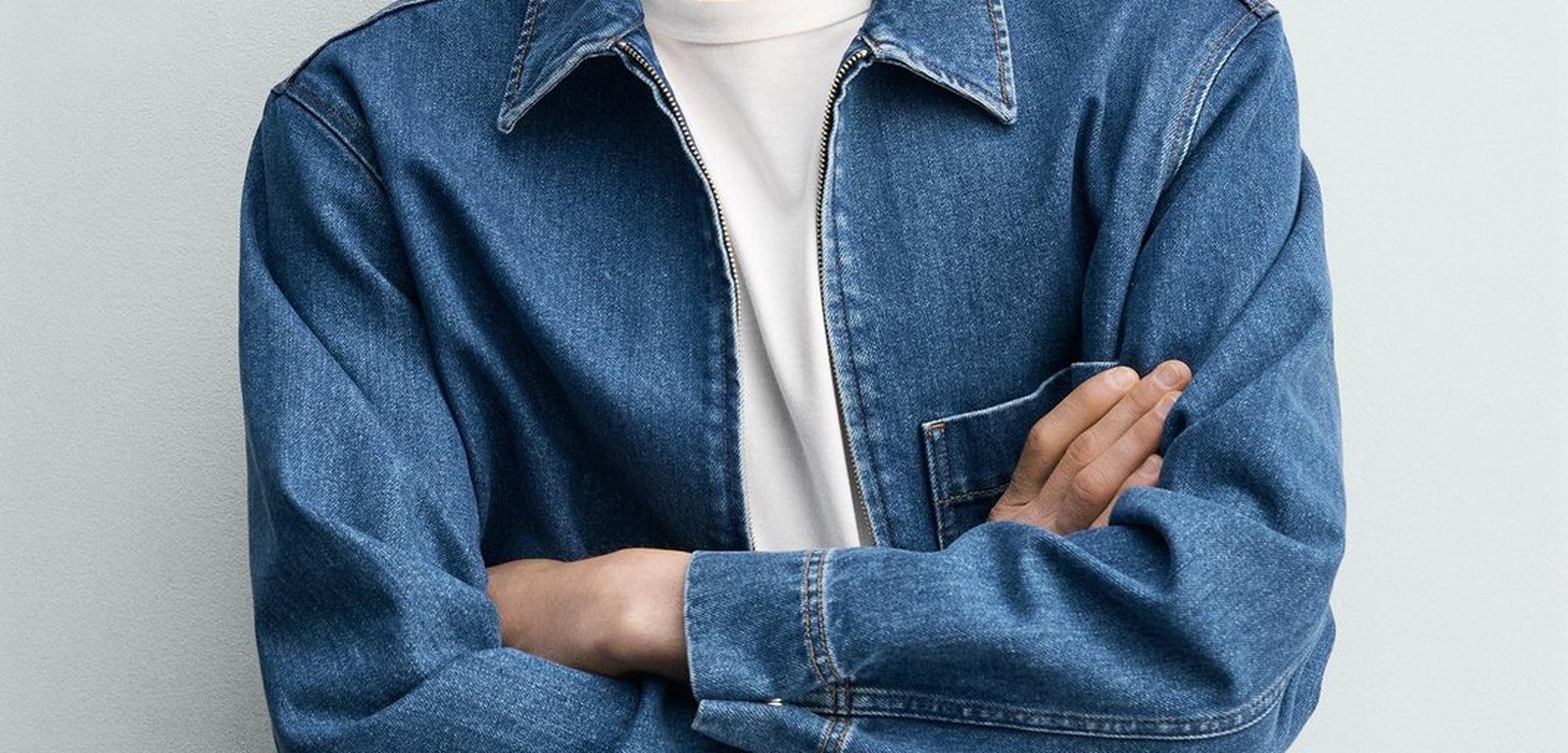
Denim comes off the sewing line stiff, deep indigo and darker than what most customers want to wear. Washing is what turns it into a garment - and it is a real production step with its own cost, timeline and failure modes. Skipping it is not an option; choosing it badly is.
Why every pair gets washed
Three jobs happen in the wash house. Shrinkage gets pulled forward so the customer does not do it in their own machine. Indigo releases and settles to the final colour. And the hand softens from cardboard to something you would actually wear. A pair sold raw will do all three in the customer's laundry - which is a return waiting to happen, unless raw is exactly what you are selling.
Rinse: the baseline
A rinse wash is the minimum: water, softener, done. Colour stays dark, hand feel softens slightly, shrinkage gets controlled. Cheapest and safest, with the shortest turnaround. If your customer wants 'new jeans' rather than 'vintage', rinse is the answer.
Stone: the classic vintage look
Pumice stones tumble against the fabric and abrade the indigo at seams, waistband and pocket edges - the faded contrast people call 'worn'. It is the look most shoppers picture when they hear 'washed denim'.
The honest trade-off: stones stress the fabric. Run too hot or too long and you get thin spots and broken weft yarns that only show up after a month of wear. Washed denim therefore needs its own inspection pass - fabric integrity, not just stitching.
Enzyme: the controlled alternative
Cellulase enzymes eat surface fibres and release indigo the gentle way - vintage contrast with a softer hand and far less mechanical damage than stones. It costs slightly more and controls much better, and it uses fewer stones, which is why it dominates wherever water and waste rules are strict.
Beyond: sanding, ozone and laser
Hand sanding puts whiskers at the crotch and hip. Ozone and laser finishing create abrasion patterns with a fraction of the water and chemicals. Modern wash houses mix these deliberately - laser for the base pattern, enzyme for the hand, a short stone cycle for softness.
How to buy washed denim without surprises
Spec the wash like you spec the fabric: a reference photo, the colour depth you expect, the abrasion map (where the fading goes), and the hand feel in words. Then approve a washed sample, never a raw one - the raw panel tells you nothing about the finished pair.
Wash that approved sample twice at home. Watch for colour transfer onto a white cloth, check the seams for opening, and look at the abrasion spots for thinness. That tells you more than any lab report, and it takes an afternoon.
Our denim program supports custom washing per style - the same high-waisted straight-leg jeans can go rinse-clean or fully vintage, in samples from 3-7 days. Tell us the wash you want, or send a reference pair. Email XinChengDa Garments at info@xcdgarments.com or message us on WhatsApp and we will match it and sample it.