Oct 19, 2026Manufacturing Process
Polo Shirt Manufacturing: Pique Mesh, Plackets and Collars That Hold
What separates a good polo from a cheap one: pique fabric, a placket that lies flat, and a collar that survives the wash - from our polo line.
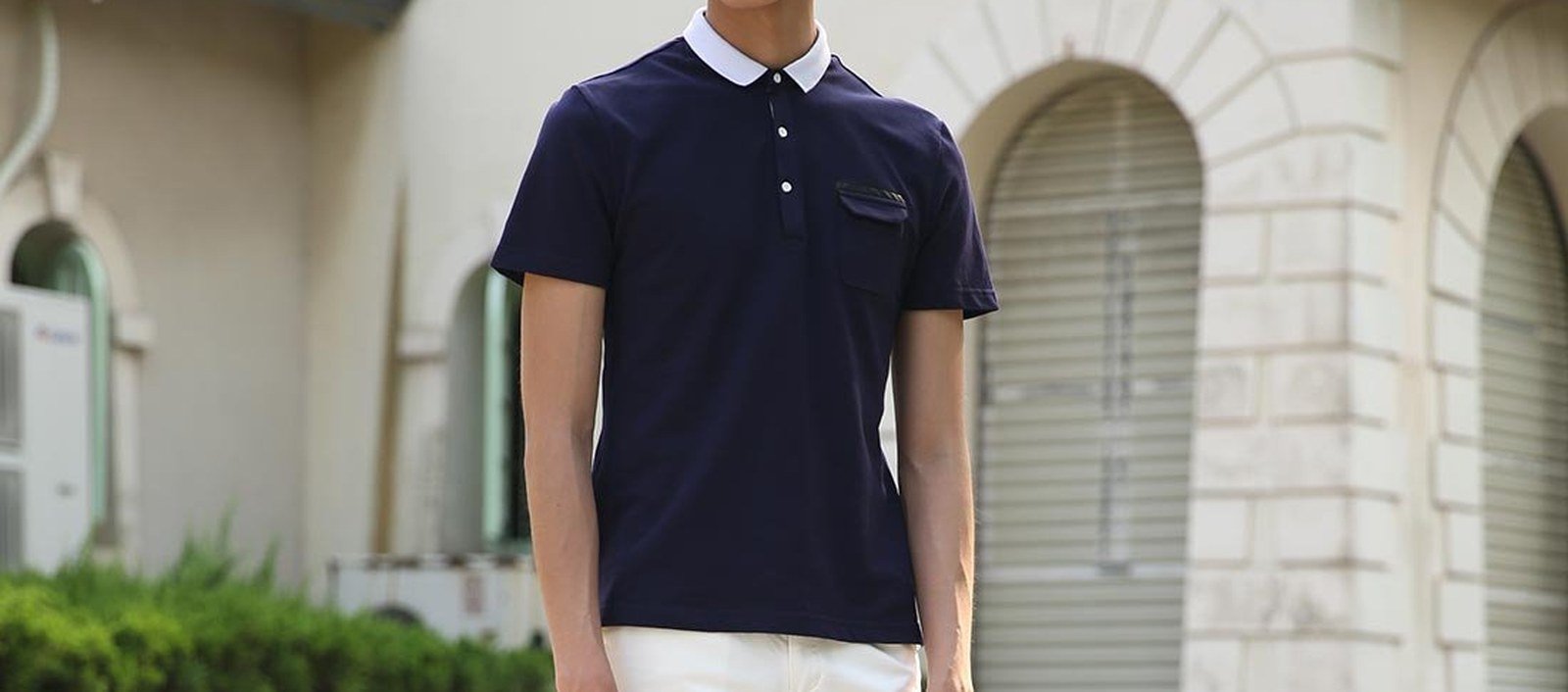
A polo looks like a T-shirt that put on a collar. Sewing one well is a different story - the collar and placket are where cheap polos give themselves away, and they are the first things a customer touches. Here is what we control in our polo line, and what to look at when you compare factories.
Pique mesh: the classic base
Pique is a knitted mesh - small breath holes, a textured surface, and a naturally wrinkle-resistant character that lets a polo work for both business-casual and sport. Our polo is pique cotton: breathable, easy-care, and structured enough to hold a collar shape without feeling stiff.
Weight decides the feel. A light pique reads summery and cool but can look thin at the collar; a heavier pique holds shape and photographs better, at the cost of breathability. Ask for the weight in gsm before you compare prices - two polos at the same price are rarely the same fabric.
The placket: small area, loud failure
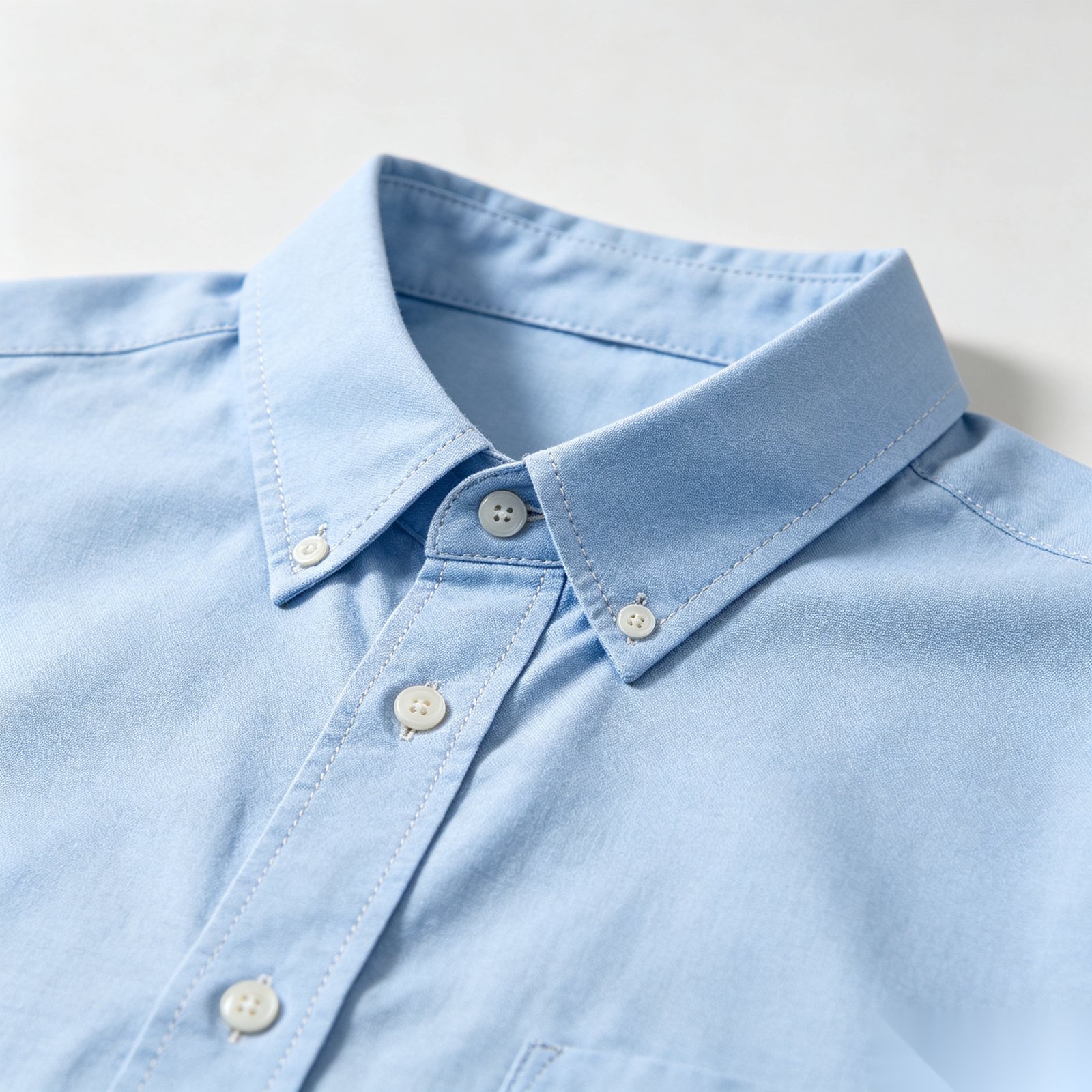
The placket is the buttoned strip below the collar, and it is the loudest quality signal on the shirt. It needs interlining so it does not collapse, even button spacing, and topstitching that stays flat through washing. A placket that waves or twists after two washes reads cheap instantly - the same way a wavy collar does on a tee.
Check the buttonholes too. Clean, evenly spaced, with no frayed threads inside the cut. On a sample, unbutton and rebutton the whole placket five times - if the fabric around a hole starts to stretch, it will not survive a season.
Collars that keep their shape
Flat-knit collars are knitted to shape rather than cut from fabric, so the rib construction recovers like a good neck rib and the collar keeps its lines after repeated washing. Self-fabric collars look lighter and softer but need proper interlining or they roll at the points.
Contrast collars - white on navy, in our case - add a design detail buyers notice across a room. They also cost more to produce and harder to get right: the colour has to match across collar, placket and cuffs, and mismatched whites are the fastest way to make a contrast polo look cheap.
Details worth customizing
Zip chest pockets, tipped collars, contrast buttons, ribbed cuffs, side vents - each is a small change with a visible payoff, and each has a cost you can quote before you commit. Most of a polo's perceived value sits in these trim decisions, not in the base body.
That is also where the margin usually lives: same body, better trim, higher retail. Start from our base polo and make it yours at the trim level rather than redesigning the block - it is faster, cheaper and easier to control.
Before you approve the sample
Wear it, do not just look at it. Button the collar and check that it stands at the points. Move your arms and see whether the placket gapes. Wash it twice and look at the collar shape, placket flatness and colour of the contrast collar. Those four checks predict how the bulk order will age better than any measurement chart.
Our polo program covers custom colours and trims, private label details, low MOQ first runs and samples in 3-7 days. Send us the polo you want to beat - email or WhatsApp us - and we will sample yours against it.