Oct 18, 2026Buying Guides
How to Source Dresses from China: Styles, Fabrics and MOQ
Sourcing dresses from China: which styles to sample first, how fabric changes the fit, and what MOQ to expect - straight from a Shenzhen dress factory.
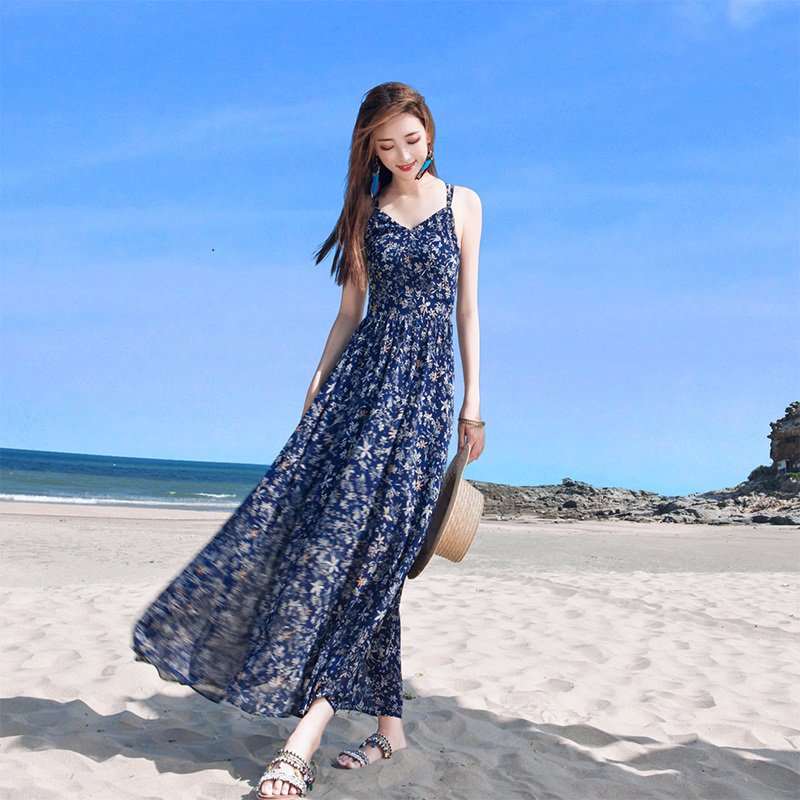
Dresses are the hardest category to get right in womenswear. A tee hides its construction; a dress shows everything - the drape, the waist shaping, whether the zipper lies flat. So when a new buyer asks us where to start, we tell them the same thing: judge a factory by its dresses, and start the conversation with fabric, not price.
One knit, one woven - that's the first order
Knit dresses forgive small pattern mistakes because the fabric stretches. Woven dresses don't. Your first sampling round should test both sides of a factory: a knit to check the size curve, a woven to check the tailoring. If both come back right, you've found a factory worth keeping.
Three dresses from our own recent production show the range. Our Minimalist Knitted Waist Dress: high-elastic draping fabric, V-neck, shaped waist - a style that has to skim the body, so the fabric's recovery matters more than anything. One useful detail: the same block works in spring and autumn colors, so one approved sample became two season programs for the client.
Our Utility Style Shirt Dress goes the other way: high-count cotton twill, classic lapel, adjustable waist belt, pockets. Every line has to press crisp and stay crisp after washing, which is a weaving and pressing problem before it's a sewing problem. A factory that only does knits will struggle here; ask upfront.
Fabric decides the drape - and the cost of changing it late
Our floral chiffon holiday maxi is a good example: square neck, short sleeves, digital floral prints, light enough to pack for a beach trip. Chiffon flows beautifully and frays badly, so every seam edge is overlocked or the dress pulls apart in the wash. The same pattern in a cotton poplin would hold a completely different shape - and neither resembles what you'd get in a heavy jersey.
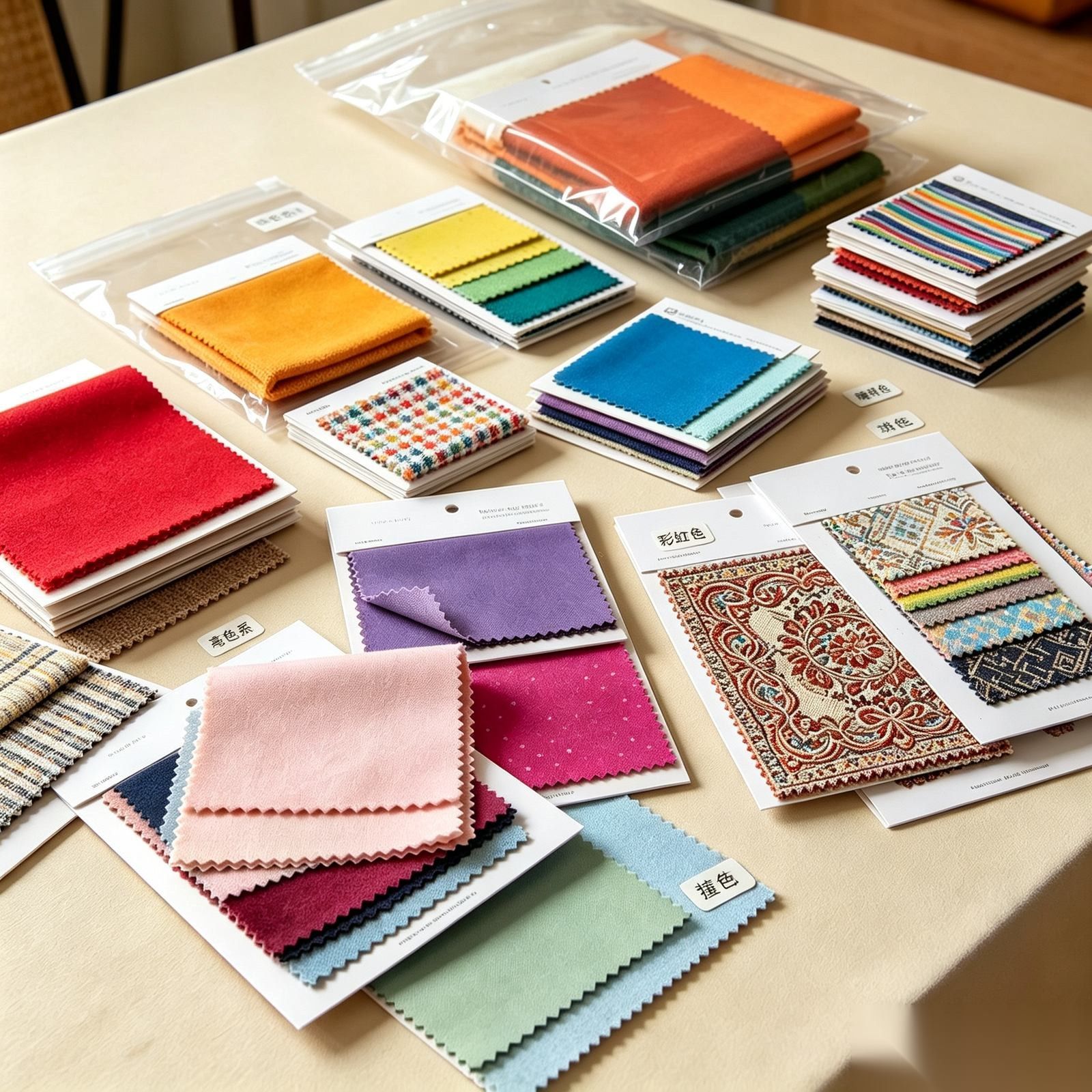
Pick the fabric before sampling, not after. Swapping fabric once bulk has started resets everything: new drape, new shrinkage, new seam behavior. It's the single most expensive change a buyer can make late, and it's almost always avoidable by touching real swatches at sampling stage.
MOQ: smaller than you'd think
You don't need a warehouse to start. Low-MOQ programs exist for exactly this: test a style with a small first run, see how customers react, then scale the winners. Stock fabrics keep the MOQ lowest; custom prints or developed fabric push it up - true at every honest factory, and anyone who tells you otherwise is hiding the cost somewhere. Samples take 3-7 days either way, so you can compare two styles before committing to either.
What we'd tell you on a factory tour
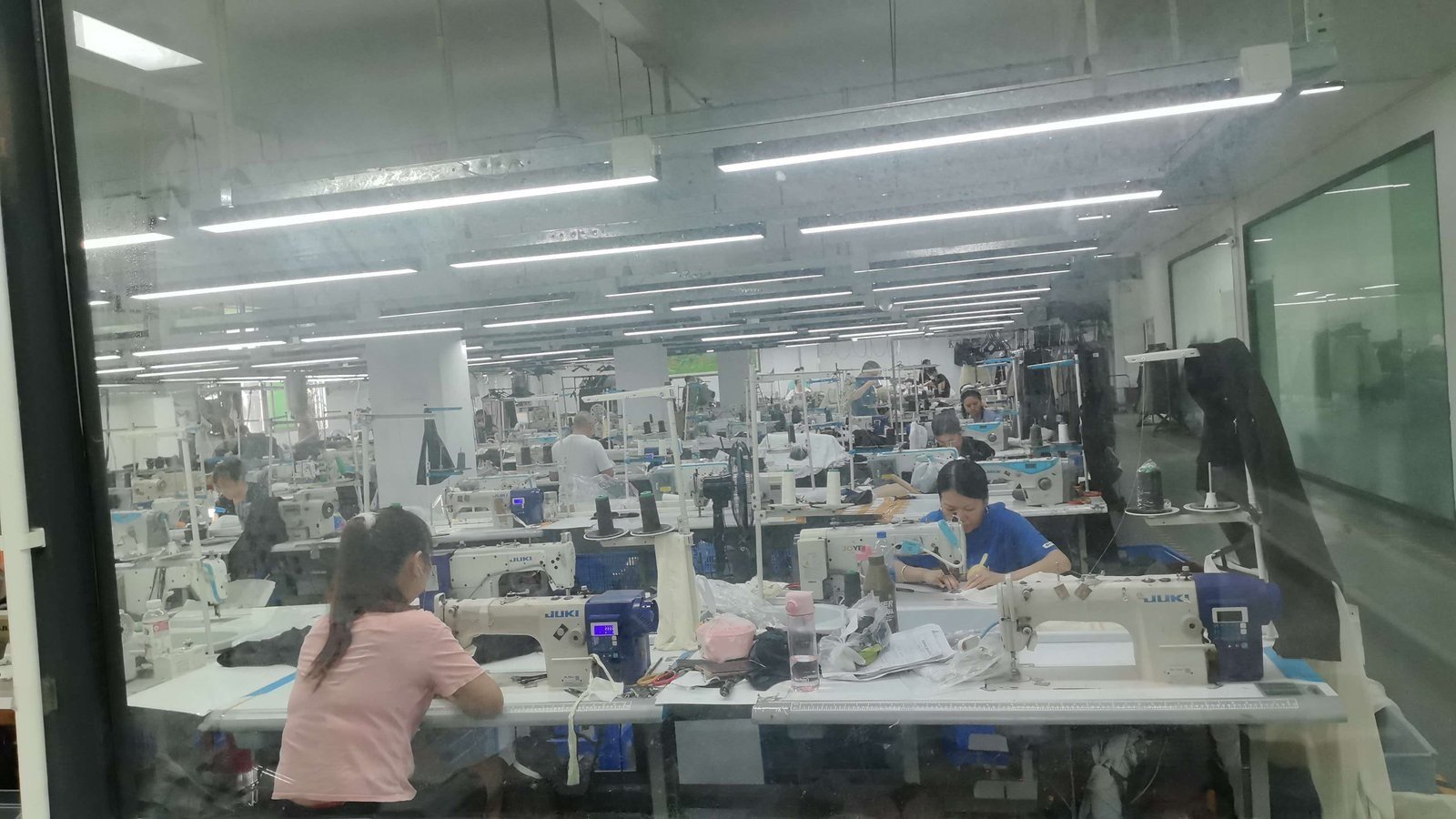
Bring reference photos, not just sketches - a picture of the drape you want settles in seconds what a page of description can't. Tell us the market and the season, because a summer dress for a European high street and one for a resort collection need very different weights. And ask to see dresses currently on the line: the stitching inside tells you more than any certificate.
Send us the styles you have in mind - photos, links, or a rough sketch. We'll tell you which one to sample first, and we'll be straight with you if the fabric you picked won't drape the way you expect. Email XinChengDa Garments at info@xcdgarments.com or message us on WhatsApp to start.