Oct 18, 2026Manufacturing Process
Men's T-Shirt Manufacturing: Fabric Weights, Fits and Custom Options
Fabric weights, fits and custom options for men's t-shirt manufacturing - gsm zones, the fit measurements that matter, and what to check in a sample.
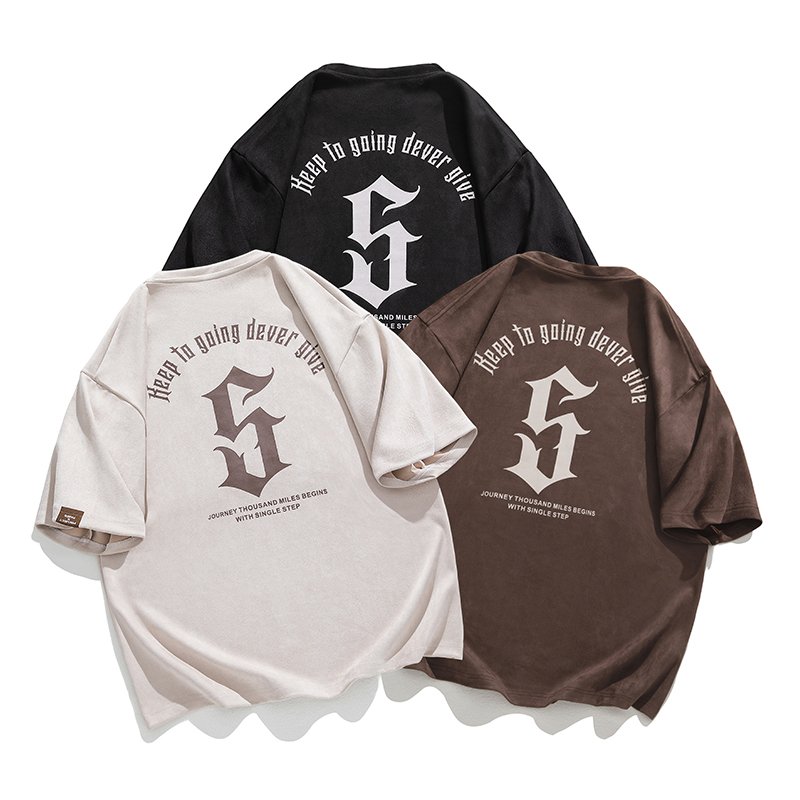
In t-shirt manufacturing, fabric weight is the first decision - and the one buyers most often get wrong. Get it right and the same design feels considered at any price. Get it wrong and even good stitching reads cheap. We sew tees every day in our Shenzhen factory, so here is how we talk customers through weight, fit and the custom options that are actually worth adding.
What the weight number decides
Weight is measured in gsm - grams per square meter of fabric. Around 160-180gsm you are in hot-weather and promotional territory: fast to sew, cheap to ship, but a tee this light can turn see-through in bright light. The 180-220gsm zone is the all-rounder for most retail programs. Above 220gsm you get the heavyweights: structured drape, shape that survives the wash, that dense hand feel customers read as premium.
Our best-selling men's tee is a 240gsm combed cotton - thick, soft, wash-resistant, and the most repeated-ordered basic in our catalog. One honest warning: if a supplier offers a '240gsm heavyweight' at the price of a 180gsm tee, someone is rounding the number down somewhere. Ask for a cut panel on the scale - any honest factory will weigh it in front of you.
Fit: three measurements that matter more than the size label
Shoulder point first - where the sleeve seam hits the shoulder. A classic set-in shoulder reads tailored; a drop-shoulder reads relaxed and street. Our men's heavyweight stays regular-fit, our women's basic uses a relaxed drop-shoulder cut - same factory, two different blocks, so the fit matches how each customer actually wears it. Then chest ease and body length from the high shoulder point: those two decide whether the tee skims or bags.
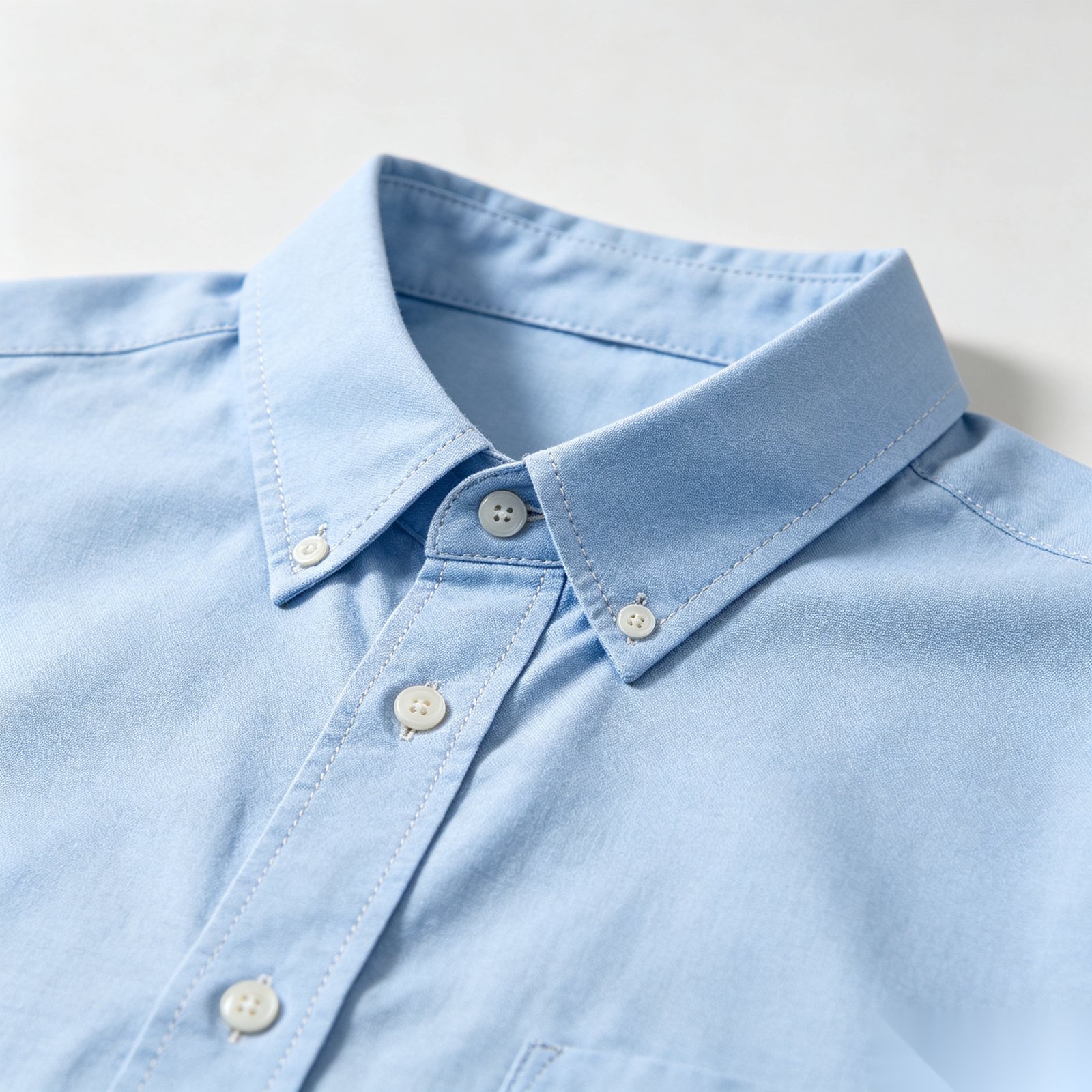
Check the neck rib while you are at it. It should spring back when you stretch it. A collar that goes wavy after two washes is the loudest cheap-signal a tee can send, and no print can hide it.
Custom options that do not blow up your MOQ
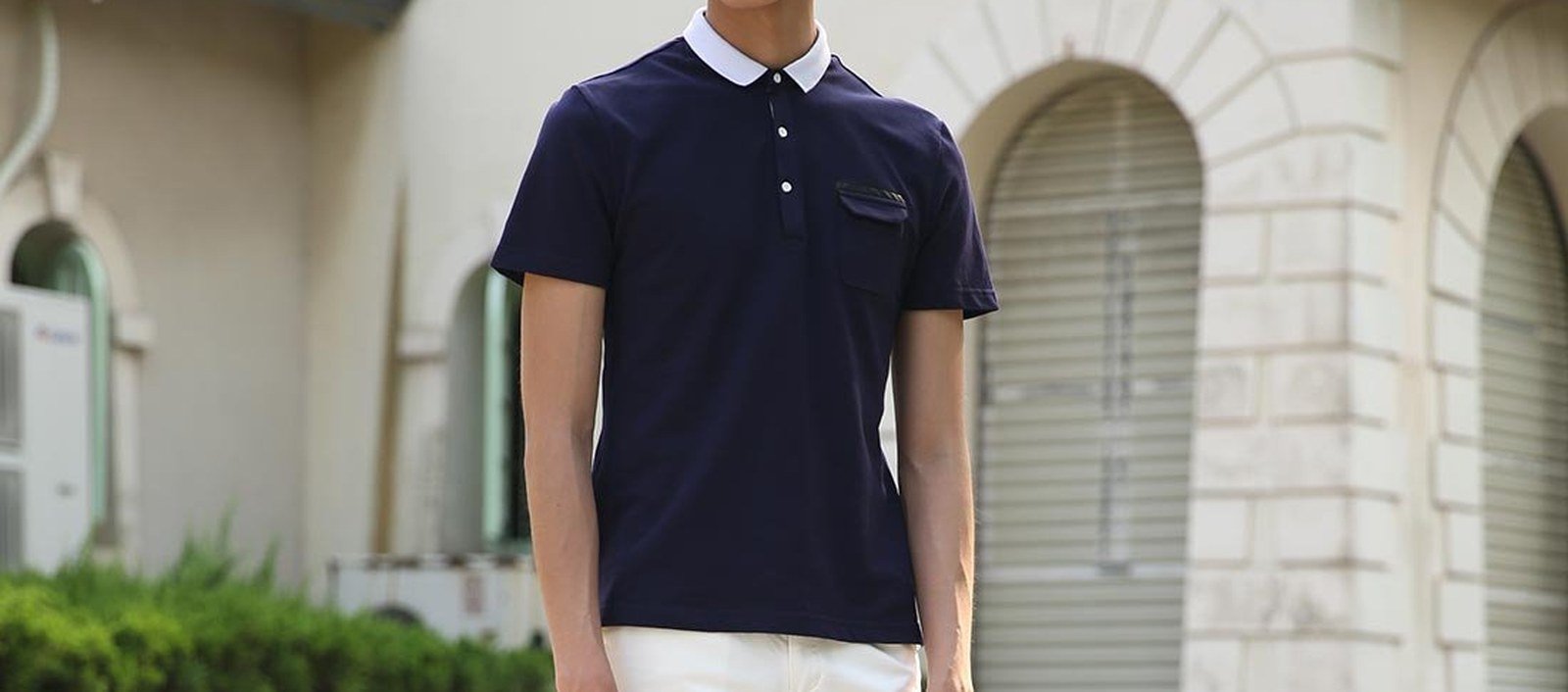
Stock combed cotton in standard weights keeps the MOQ lowest. On top of that, color dyeing, printing and embroidery are the levers that make the tee yours. Screen printing suits bold single-color graphics - the three printed tees in this article are exactly that kind of program, artwork to sample in 3-7 days. Digital printing handles multi-color gradients. Embroidery costs more per piece but outlasts every print and gives a small chest logo a texture customers notice. Add neck labels and custom packing last; both are low-MOQ friendly.
Before you approve a sample
Wash it twice yourself. Check length and width shrinkage against a note you took before washing, watch whether the collar recovers, and look for print cracking at the folds. Feel the yarn: combed cotton is smoother and less hairy than carded - it is what we use for anything above basic weight. And get the fabric spec in writing: gsm, combed or carded, shrinkage allowance. A factory that sends specs without being asked is a factory you can work with.
Send us your design or a reference photo with the weight you have in mind. If that weight will not drape the way you expect, we will say so before you spend on sampling. Email XinChengDa Garments at info@xcdgarments.com or message us on WhatsApp and we will put a swatch plan together.